Essential Bulgarian Phrases for Your Trip
Breaking the Language Barrier in the Balkans
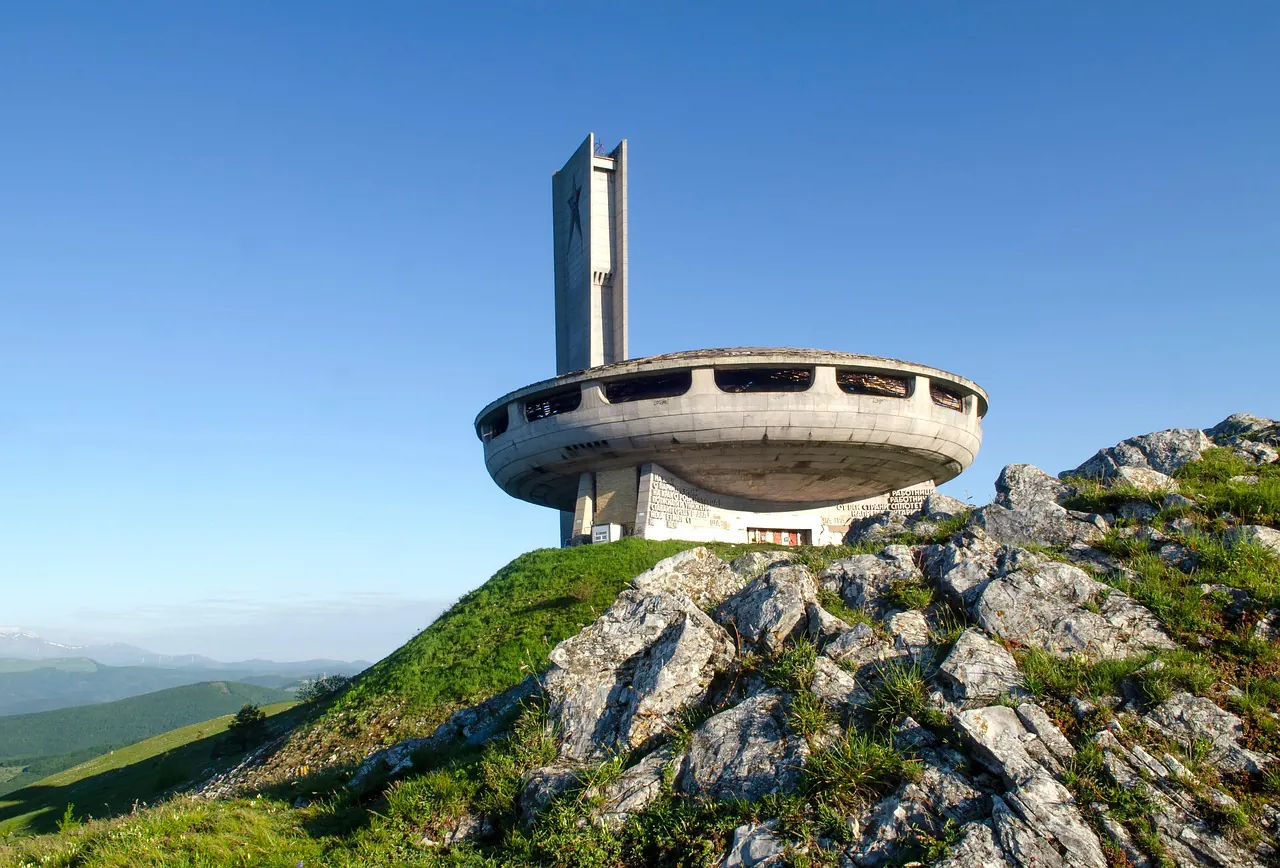
Venturing into the Central Balkan Mountains to visit the Buzludzha Monument exposes you to a raw, unfiltered slice of twentieth-century history. Built in 1981, this colossal concrete saucer served as the Memorial House for the Bulgarian Communist Party. It stands entirely abandoned today. While English dominates the cafes of Sofia, the rural villages surrounding Kazanlak operate strictly in Bulgarian. Learning a few phrases in the local tongue opens doors to genuine hospitality. Travellers often wonder if Bulgarians are friendly to foreigners. They absolutely are. Trying to speak their language bridges the cultural divide instantly.
Many people ask if Bulgaria remains an overlooked European destination. The country draws more international visitors every year, yet the rugged mountain passes retain an isolated atmosphere. Approaching local shopkeepers or guesthouse owners with a few words of their native tongue transforms a transactional exchange into a deeply personal interaction. Your pronunciation does not need to be perfect. The effort alone commands respect.
The Cyrillic Hurdle and the Notorious Nod
Do not let the Cyrillic alphabet intimidate you. Most signs in major tourist corridors feature dual transliteration. Village bus schedules and local tavern menus remain distinctly domestic. Cyrillic originated in the First Bulgarian Empire during the ninth century. Bulgarians take immense pride in this linguistic heritage. Acknowledging this historical fact earns you immediate respect from locals.
The most profound cultural hurdle is the famed Bulgarian head-nod. A vertical nod means ‘No’. A side-to-side shake means ‘Yes’. This non-verbal inversion causes endless confusion for first-time arrivals. This is a cultural quirk you will just have to get used to. Rely entirely on verbal cues to bypass the frustration. Say Da for yes and Ne for no. The Official Tourism Portal of Bulgaria notes that grasping these non-verbal cues drastically reduces misunderstandings in rural establishments.
Essential Greetings
- Zdravei (Здравей): Hello (Informal)
- Zdraveite (Здравейте): Hello (Formal / Plural)
- Dobar den (Добър ден): Good day
- Chao (Чао): Goodbye
Zdravei is your daily standard. Use it with younger people or single individuals. Zdraveite acts as the formal or plural version. Address shop owners, older residents, and groups with this respectful plural. Dobar den translates to ‘Good day’. Deploy this from mid-morning until late afternoon.
Politeness and Logistics
- Molya (Моля): Please / You are welcome
- Blagodarya (Благодаря): Thank you
- Izvinete (Извинете): Excuse me
- Kade e…? (Къде е…?): Where is…?
Molya serves a dual purpose. Handing over exact change for an espresso? Say Molya. Someone thanks you for holding a door? Say Molya. Blagodarya requires some tongue gymnastics for native English speakers. Mastering the multi-syllabic rhythm pays massive dividends. A simple merci works in a pinch, as Bulgarians adopted the French word decades ago.
Mastering Transit and Directions
Reaching the peak requires precise planning. Our comprehensive guide on How to Get to Buzludzha Monument outlines the driving routes from Sofia and Plovdiv. GPS signals drop frequently on the winding ascent up the Shipka Pass. You might need to ask a local shepherd or petrol station attendant for directions.
Kade e pametnika? (Къде е паметникът?) means ‘Where is the monument?’. Spirka (Спирка) means bus stop. Gara (Гара) means train station. Kolko struva? (Колко струва?) means ‘How much does it cost?’. Use this phrase before getting into an unmetered village taxi to establish the fare upfront.
Do not rely on digital maps alone. A written note with the Cyrillic spelling of your destination serves as the ultimate analogue backup plan in the mountains.
Dining and Emergencies
- Smetkata, molya (Сметката, моля): The bill, please
- Voda (Вода): Water
- Pomosht! (Помощ!): Help!
- Bolnitsa (Болница): Hospital
Rural taverns, known as mehanas, serve massive portions of grilled meats and fresh salads. The menus rarely feature English translations. Nazdrave (Наздраве) is the most critical word in any tavern. It means ‘Cheers’. Always make eye contact when clinking glasses of rakia, the potent local fruit brandy.
The Psychology of the Language Barrier
Many travellers experience a spike in anxiety when stepping off the plane in a country that uses an entirely different alphabet. The fear of making a mistake paralyzes people. Overcoming this hesitation requires a shift in mindset. You are not expected to debate political history in fluent Bulgarian. The goal is simply to show respect. Pronouncing a word incorrectly often leads to a warm, good-natured correction from a local shopkeeper. These tiny moments of shared humanity define the travel experience. A mispronounced greeting in a remote mountain village builds a stronger memory than a perfectly executed transaction in an anonymous international hotel chain. Embrace the awkwardness.
Handling Mountain Emergencies
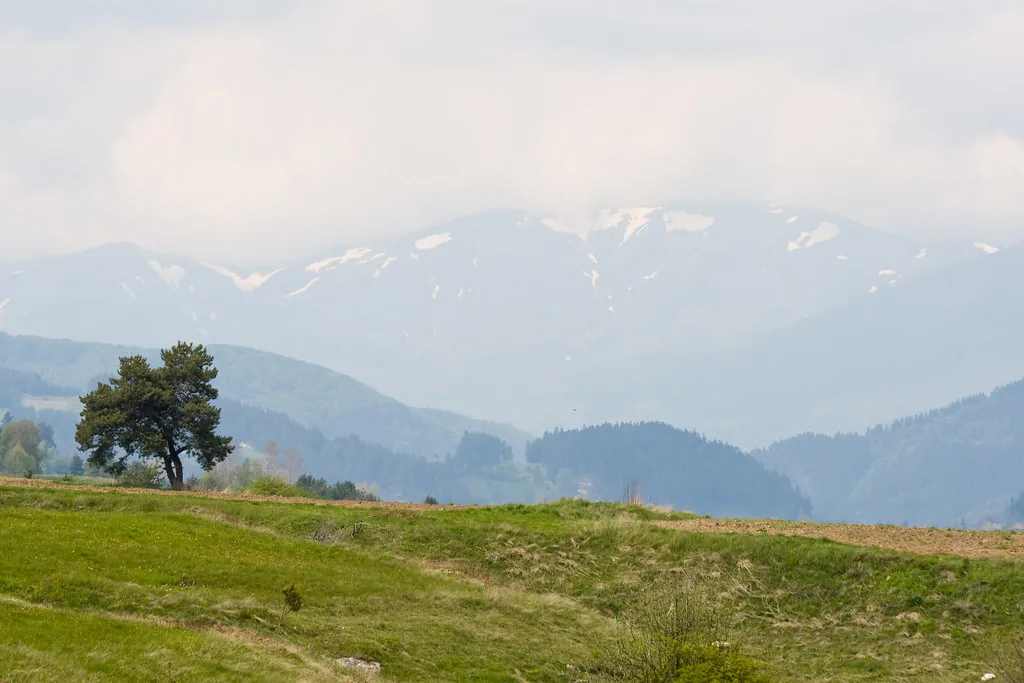
The Central Balkan Mountains experience rapid weather shifts. Sunny mornings turn into blinding fog within thirty minutes. Understanding how to ask for help matters deeply when exploring remote high-altitude zones. Imam nuzhda ot lekar (Имам нужда от лекар) translates to ‘I need a doctor’. Review our Safety Guide for Travelers in Bulgaria to prepare for the rugged conditions around the abandoned saucer.
Foreign visitors consistently search for information on what to be careful of in Bulgaria. Violent crime remains exceptionally low. Stray dogs and deteriorating road surfaces present the most common annoyances. Driving through potholes on the Shipka Pass can lead to a flat tyre. Knowing how to flag down a passing motorist and say Pomosht will get you back on the road safely.
Social Etiquette and Tipping
Leaving a tip in a Bulgarian restaurant follows specific unwritten rules. You do not leave cash on the table after paying the bill. You hand the money directly to the waiter and state the total amount you wish to pay. If the bill comes to eighteen leva and you hand over a twenty leva note, simply say Zadragte restoto (Задръжте рестото), which means ‘Keep the change’. Alternatively, just say Blagodarya while handing them the money. In this context, saying thank you signals that they do not need to return any coins. Failing to understand this nuance means you might accidentally tip a waiter when you desperately needed that change for the bus ride back to your guesthouse.
Shopping, Accommodations, and Site Rules
Kazanlak sits squarely in the valley below the monument. Buying local rose oil requires basic numerical knowledge. Edno (Едно) is one, Dve (Две) is two, and Tri (Три) is three. Read our Valley of the Roses Guide for insights into the local distillation process and regional shopping.
Checking into a village guesthouse differs entirely from a corporate hotel. Hosts often greet you with homemade jam and strong espresso. Imate li svobodna staya? (Имате ли свободна стая?) means ‘Do you have a free room?’. Confirming your accomodation early prevents stressful evenings driving down unlit mountain passes. According to the Bulgarian National Radio, rural tourism has surged rapidly across the Stara Zagora province. Booking ahead remains critical.
Tourists regularly ask if you can visit the interior of the monument. Current conservation efforts strictly prohibit unauthorized entry. Security guards patrol the perimeter continuously. You will see warning signs reading Zabraneno (Забранено), which means ‘Forbidden’. These signs are plastered across teh crumbling concrete walls of Buzludzha. Vnimanie (Внимание) means ‘Attention’ or ‘Caution’. Take these warnings seriously when walking near falling debris. Check our Visitor Rules & Guidelines page for up-to-date access restrictions.
Pro Tip: When visiting rural mehanas, a simple Blagodarya goes a long way. Bulgarians deeply appreciate the effort to speak their language, even if you stumble over the pronunciation.
For further reading on Bulgarian culture and the complexities of the language, consult authoritative linguistic resources. The Omniglot Guide to Bulgarian details the Cyrillic script beautifully. The Ministry of Foreign Affairs publishes regular updates on regional travel advisories.
Ready to explore? Check our Plan Your Visit hub to map out your itinerary, or learn more about local customs in our Friendly Bulgaria guide.
Join a Local Guide
The absolute best way to experience the monument while bypassing the language barrier entirely is to travel with a local expert. Bilingual guides handle all the logistics, translating the complex history of the peak while you enjoy the dramatic scenery. Consider booking the Buzludzha Communist Monument and Ancient Thracian Tomb tour from Sofia. Alternatively, the Rose Valley Day Tour incorporates local culture seamlessly. Browse the curated selection of guided experiences below to secure your spot on the mountain.

Buzludzha Monument and the Museum of Socialist Art
⭐ Buzludzha Experience
🔥 Recommended for high-season travel

Buzludzha Monument and The Rose Valley Day Tour From Sofia 13 hrs
⭐ Buzludzha Experience
🔥 Booked 10 times today

Buzludzha Monument Spaceship Self-Guided Experience
⭐ Buzludzha Experience
🔥 Likely to sell out soon!

Full Day Trip to Buzludzha Monument
⭐ Full Experience
🔥 Exceptional 4.9/5 rating

E-guide for Any Sight, Tour, Trip or Experience in Bulgaria
⭐ E-guide Experience
🔥 Recommended for high-season travel

A Day trip to the Thracian Kings, The Valley of Roses & Buzludzha
⭐ A Experience
🔥 Instant confirmation after booking