
Why the Balkan Mountains are a Hidden Gem
Beyond the Concrete Icon
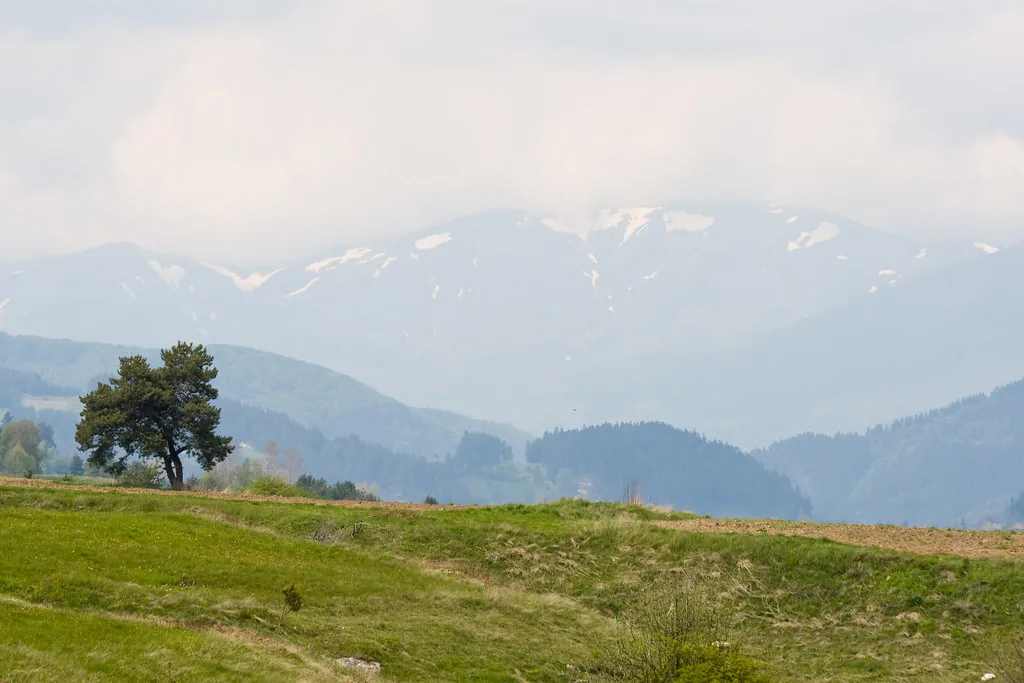
Most visitors conquer the winding asphalt of the Shipka Pass strictly to photograph a decaying saucer. The Buzludzha monument dominates the ridge with brutalist finality—a stark grey monolith fracturing the skyline. Step fifty paces away from the crumbling concrete, and the true scale of the Stara Planina reveals itself. The Balkan Mountains form the geological spine of Bulgaria, sheltering the Central Balkan National Park. This protected wilderness stretches across 716 square kilometres of ancient beech forests, deep river canyons, and sheer limestone gorges.
Tour buses rarely linger past the monument’s exterior plaza. Their departure leaves the surrounding peaks completely silent, handed over to those willing to walk. The contrast hits you immediately. You transition from a relic of totalitarian ambition into a biosphere that has outlasted human empires. The air thins, the temperature drops, and the dense oak woodlands of the lower valleys give way to the resilient conifers of the high alpine zone.
Endemic Flora
Late spring triggers an explosion of rare species across the high-altitude meadows. Snowmelt feeds the mineral-rich soil, allowing the Balkan primrose to push through the lingering morning frost. Botanists from across Europe travel here specifically to study plant life completely isolated from the continent’s major ecological shifts. Native orchids bloom briefly between May and June, demanding precise timing from anyone hoping to photograph them. The transition zone between dense woodland and exposed alpine ridges creates a highly specific microclimate, forcing the vegetation to adapt to brutal winter winds and intense summer ultraviolet exposure.
Bulgaria’s Wild Residents
The dense forests below the peak harbour serious predators. People frequently search online for what animals live in the Balkan Mountains, expecting mild woodland creatures. In reality, the park sustains crucial, strictly protected populations of the brown bear and the grey wolf. Above the tree line, the agile Balkan chamois scales near-vertical drops. Golden eagles monitor the ridges from thermals high above the valleys. These apex predators demand respect, representing the kind of deep wilderness that Western Europe is largely empty of.
The Balkan Mountains are the spine of Bulgaria, protecting a biodiversity that has remained untouched for centuries.
Central Balkan Conservation Directorate
Hiking Difficulty and Seasonal Suitability
The Buzludzha peak serves as a strategic trailhead. You can string together a short afternoon loop or commit to gruelling multi-day ascents. The Kom-Emine long-distance trail—the final section of the trans-European E3 route—crosses directly through this sector. It challenges seasoned alpinists with relentless elevation gains and highly variable terrain. Selecting the right path requires absolute honesty about your physical conditioning and a firm understanding of the local enviroment.
| Trail / Area | Difficulty | Best Season | Proximity to Buzludzha |
|---|---|---|---|
| Shipka Peak Trail | Easy to Moderate | Spring / Summer | Very Close (Under 15km) |
| Central Balkan Ridge | Moderate to Hard | Summer | Nearby Access |
| Kom-Emine (Section) | Expert | Summer / Early Autumn | Direct Access |
The network of mountain huts, known locally as hizhas, provides essential refuge for long-distance trekkers. These brutalist-style lodges offer basic bunk beds and hot tea, serving as crucial lifelines when the weather inevitably turns. Booking ahead during the peak July and August season guarantees a roof over your head.
Responsible Tourism and Mountain Safety
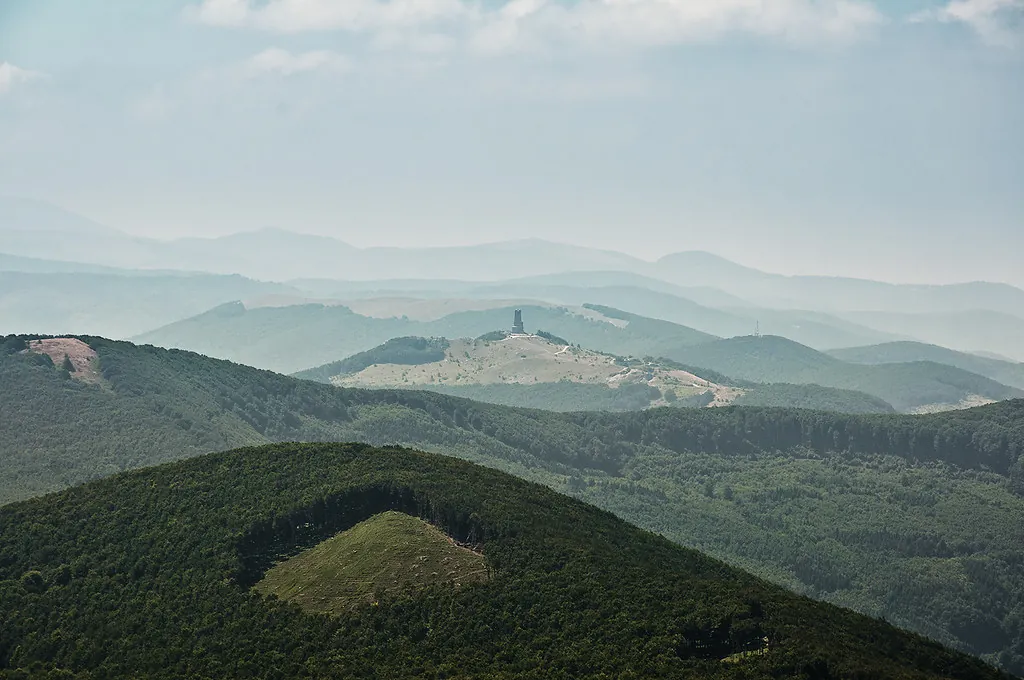
Weather in the Stara Planina turns hostile without warning. A clear morning frequently devolves into thick fog and plummeting temperatures by early afternoon. Hikers must consult the National Institute of Meteorology and Hydrology (NIMH) before attempting any exposed ridge routes. Proper gear remains non-negotiable. Sturdy boots, a reliable GPS, and waterproof layers mean the difference between a challenging hike and a full-scale rescue operation coordinated by the Bulgarian Mountain Rescue Service.
Those asking what to be careful of in Bulgaria should prioritise mountain safety over urban concerns. Check our dedicated Safety Guide for Travelers in Bulgaria for detailed emergency protocols. When walking the trails, stick strictly to the marked paths. The ‘Leave No Trace’ principle applies heavily here. Pack out all waste, avoid disturbing wildlife habitats, and keep noise to an absolute minimum. The brown bears prefer to avoid human contact, so attaching a small bear bell to your pack alerts them to your presence without causing distress.
History Etched in Stone: The Shipka Pass
Geography dictates history. The Shipka Pass cuts a vital artery through the Balkan Mountains, connecting northern and southern Bulgaria. This strategic chokepoint witnessed some of the most ferocious battles of the Russo-Turkish War in 1877. The nearby Shipka Liberty Memorial honours the Russian soldiers and Bulgarian volunteers who held the high ground against overwhelming Ottoman forces.
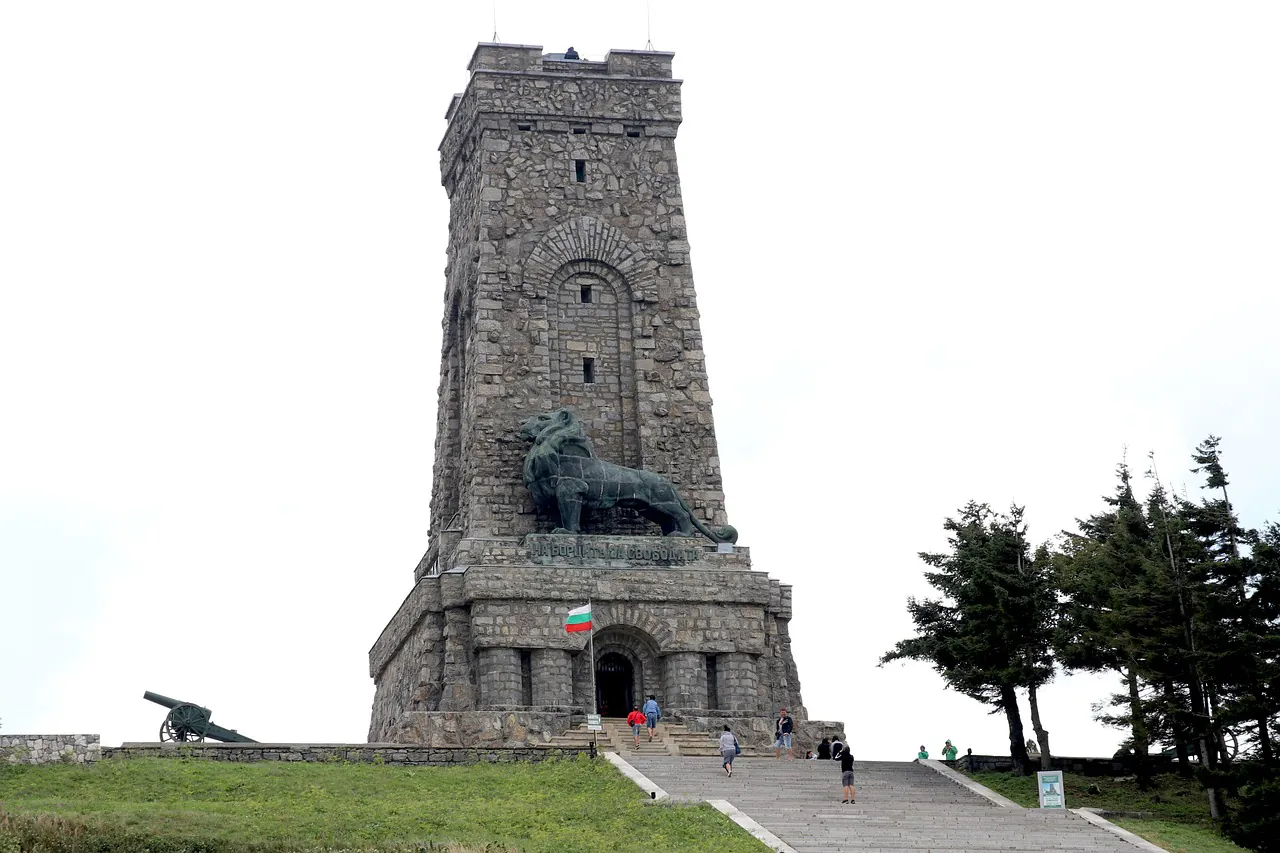
Standing on these windswept ridges, the sheer tactical nightmare of fighting at this altitude becomes apparent. The winter snows drift several metres high, burying the access roads entirely. Today, snowploughs keep the main pass open for civilian traffic, but the surrounding peaks revert to complete isolation from November through April.
Regional Exploration: Beyond the Peaks
The descent from the mountains brings a sharp cultural shift. The rugged slopes yield to the agricultural basin of Kazanlak. This transition lets you pair high-altitude endurance with deep cultural immersion. Exploring the Valley of the Roses reveals a region built on centuries of essential oil production and ancient Thracian heritage. The contrast between the harsh alpine rock and the fragrant, manicured rose fields perfectly encapsulates the geographic extremes of the country.
Foreigners often wonder if local communities welcome outsiders. The rural villages scattered along the mountain’s base operate on deep-seated hospitality. A simple “Zdraveite” (hello) opens doors to family-run taverns and guesthouses. This authentic, quiet way of life explains exactly why thousands of British expatriates permanently relocate to the Bulgarian countryside. The communities here reflect a tolerant, diverse history—evidenced by the peaceful coexistence of different faiths and the region’s welcoming attitude toward Muslim travellers and international digital nomads alike.
If you prefer structured exploration, consider booking a combined day tour from Sofia or Plovdiv. These guided routes handle the complex driving logistics across the Shipka Pass, allowing you to absorb the imposing geography without white-knuckling a rental car around blind switchbacks.
Final Thoughts on the Wilderness
The Buzludzha monument will always draw the photographers and the urban explorers. Its colossal, decaying dome demands attention. Yet the true longevity of this destination lies in the dirt beneath the concrete. The Stara Planina requires physical effort and commands absolute respect. It strips away the conveniences of modern tourism, replacing them with raw, unfiltered geography.