
Friendly Bulgaria: A Guide for Foreigners
Many foreigners arrive in Eastern Europe bracing for a cold reception, only to find themselves dragged into a stranger’s home for coffee and cured meats within hours of stepping off a train. Understanding the famously stoic exterior of the Balkan people unlocks one of the continent’s most authentic hospitality experiences. The public face of the region is built on centuries of historical turbulence. People do not trust easily. You will not find retail workers grinning at you from behind a cash register, nor will you encounter exaggerated greetings on the street. Customer service operates on efficiency, not emotion.
A lack of performative smiling does not equal hostility. It simply means affection is earned rather than freely distributed to anyone holding a camera.
Yet, step across the threshold of a family home or a rural tavern, and the walls immediately drop. The transition from icy indifference to overwhelming generosity happens fast. To navigate this cultural landscape, you must abandon Western expectations of artificial politeness and lean into the genuine, sometimes blunt, realities of mountain life.
The Cultural Paradox
The most immediate friction point for visitors is the infamous head shake. In this country, nodding your head up and down means “no,” while a side-to-side shake indicates “yes.” Mastering this quirk prevents daily misunderstandings at bakeries and bus statons. You must rely on verbal cues to survive. Say Da for yes and Ne for no. The origin of this reversed gesturing is heavily debated. Local lore claims it began during the Ottoman occupation as a way to trick captors, though historians remain skeptical. Regardless of its origin, it requires a conscious rewiring of your brain.
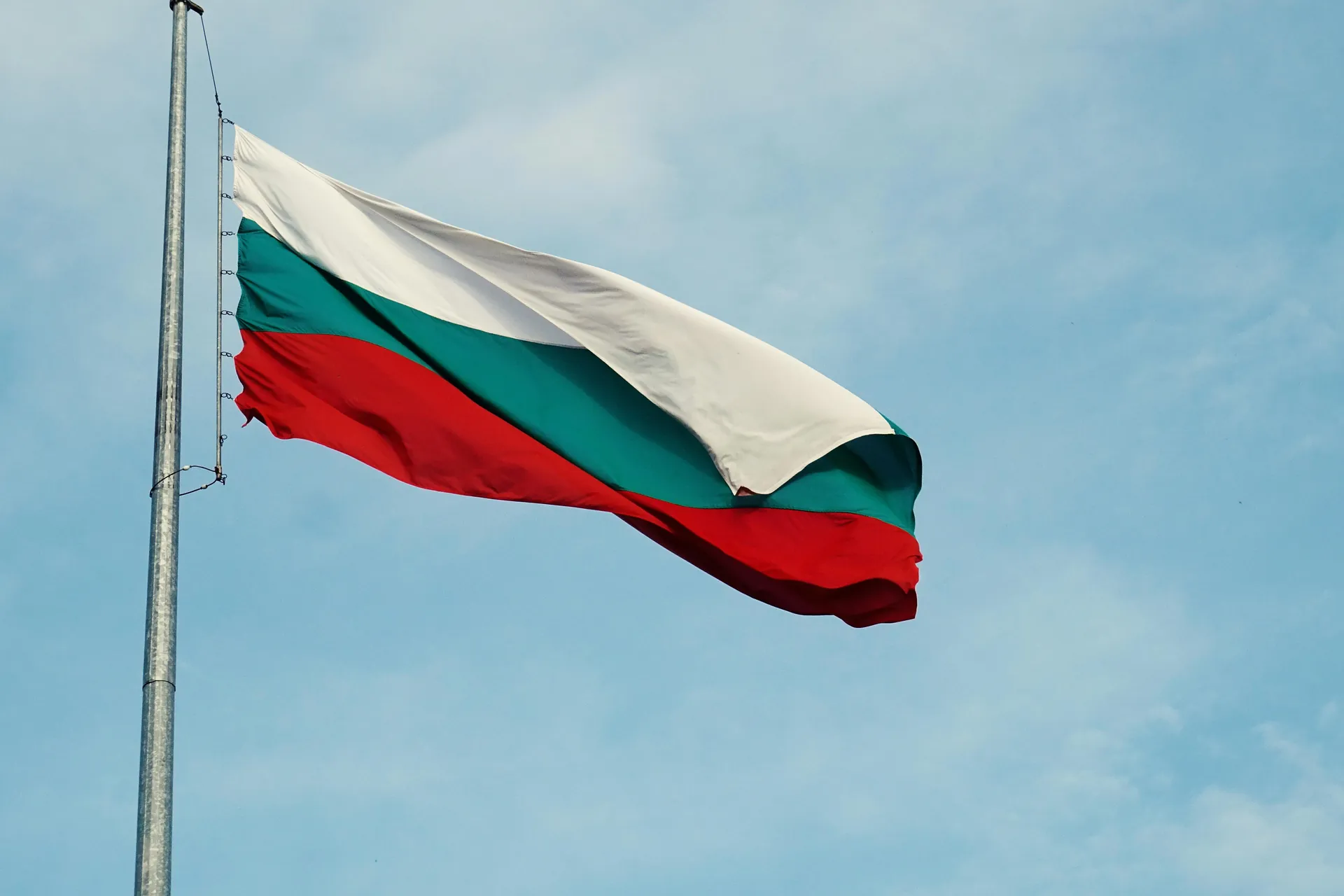
When figuring out how to say hi in Bulgaria, stick to Zdravei for informal encounters and Zdraveite for formal ones. Throw in a Blagodarya (thank you), and you instantly shift your status from anonymous tourist to a guest people want to engage with. The Cyrillic alphabet adds another layer of complexity. Learning to read the phonetic characters transforms a daunting landscape of incomprehensible street signs into a manageable map. People appreciate the effort. Stumbling through a badly pronounced greeting in a village square often yields a sudden, genuine smile from an otherwise severe-looking elder.
Hospitality in the Mountains
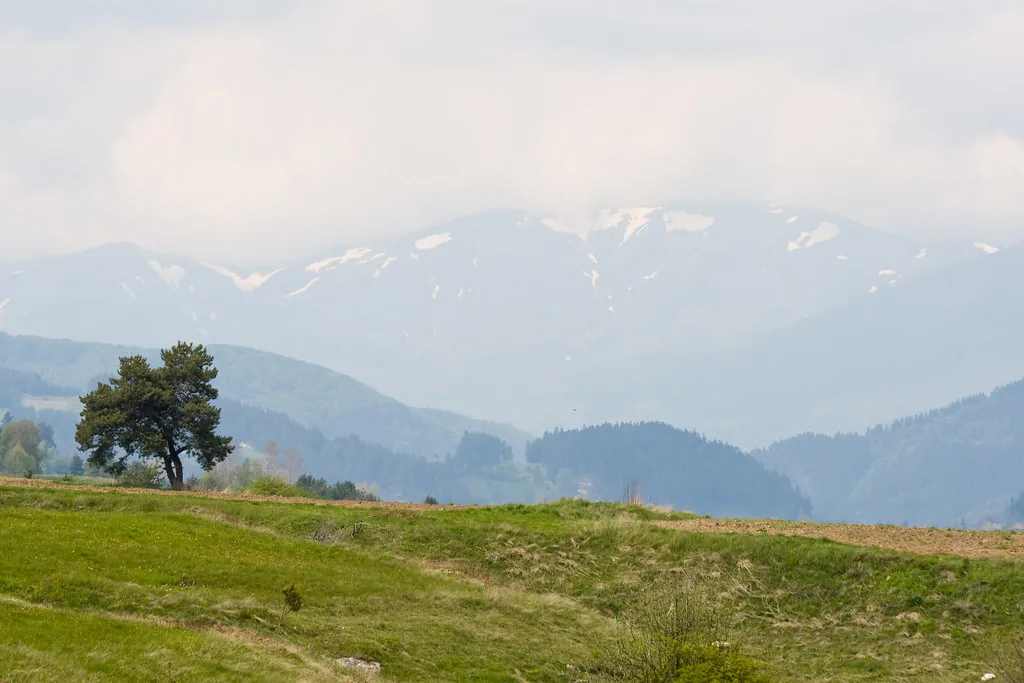
Rural regions surrounding the Buzludzha Monument operate on an ancient tradition where guests are treated with immense reverence. Locals value sincerity above all else. If you express genuine interest in teh complex history or the agricultural practices of the Rose Valley, doors open wide. This profound, rugged warmth explains why Brits move to Bulgaria in such large numbers. Escaping the polished, transactional nature of Western Europe, expats seek out these mountain villages for authentic connections. It is the kind of raw, unfiltered community that many weary city dwellers find themselves searching for.
The Central Balkan Mountains possess a distinct character. Villages near the Shipka Pass sit in the shadow of heavy history. The people here are stewards of the land, heavily involved in rose oil production and small-scale farming. When foreign urban explorers arrive to photograph the brutalist concrete of Buzludzha, the generational divide becomes apparent. Older residents might view the monument through the lens of their youth and the political regime they lived through. They rarely speak English. Younger generations, however, often recognize the architectural significance and are eager to practice their foreign language skills with tourists. Bridging this gap requires patience. Gestures, printed maps, and a willingness to sit down for a coffee go a long way in securing directions or local insights.
Dining and Social Etiquette
Navigating a mehana requires pacing. Meals stretch for hours. You sit down, order a shopska salad, and brace yourself for the inevitable pour of rakia. Refusing a glass from a local host causes offense—take a sip, maintain eye contact, and toast with a hearty Nazdrave. Tipping 10% reflects good service in these traditional taverns. Small talk thrives on topics like regional food, hiking trails, and ancient Thracian history. Keep political debates off the table until you establish a solid rapport.
The mechanics of a Bulgarian meal defy Western restaurant standards. Dishes arrive at the table the moment they are ready, rather than in synchronized courses. You share everything. The shopska salad—a mountain of diced tomatoes, cucumbers, peppers, and an avalanche of grated sirene cheese—acts as a communal centerpiece. It is specifically designed to be eaten alongside the rakia. Drinking the high-proof fruit brandy on an empty stomach is considered foolish. The ritual demands a bite of food, a sip of liquor, and continuous conversation. Eye contact during a toast is mandatory. Breaking your gaze while clinking glasses implies deceit or bad luck.
Booking a Buzludzha Monument and Rose Valley Tour often pairs you with knowledgeable local guides who bridge the language gap. They facilitate interactions with tavern owners and monument caretakers, breaking down the initial cultural barriers with ease. A local guide acts as a cultural interpreter. They know which tavern owner cures their own sausages and which specific mountain routes are currently safe for travel.
Trust, Safety, and Modern Realities
Travelers frequently ask whether Bulgarians are friendly to foreigners. The resounding answer is yes, provided you show basic cultural respect. The hospitality extends across different backgrounds. Those wondering whether Bulgaria is friendly to Muslims will find a nation with a centuries-old history of coexistence. While the mountain villages surrounding the Shipka Pass lean heavily Orthodox, the broader society maintains a pragmatic, welcoming attitude toward diverse visitors. The country is home to a significant native Muslim population, primarily ethnic Turks and Pomaks. Cities like Plovdiv and Sofia display magnificent mosques mere steps from ancient churches and synagogues. Religious tolerance is woven into the national fabric.
Safety rarely hinges on interpersonal crime. The streets are exceptionally secure compared to major Western European capitals. Pickpocketing exists in crowded tourist corridors, but violent crime against foreigners is virtually non-existent. Instead, the real hazards are environmental and logistical. Mountain weather shifts violently without warning. The roads leading up to Buzludzha demand extreme caution, especially during the winter months when ice and fog obscure the switchbacks. If you ever feel uncertain about local driving habits or altitude drops, consulting our safety guide for travelers prepares you for the logistical realities of the region.
Generational Communication
Engaging with the local population requires an understanding of the generational divide. Anyone under the age of thirty likely speaks conversational English, heavily influenced by digital media and Western pop culture. They are quick to recommend specialty coffee shops or underground art galleries in Sofia. The older generation, particularly in rural outposts, grew up under the Eastern Bloc education system. Their second languages are typically Russian or German. They communicate through action. A grandmother in a mountain village might not understand a word you say, but she will forcefully press a jar of homemade plum jam into your hands before you leave.
When engaging with locals regarding the history and architecture of the Buzludzha Monument specifically, tread carefully. The structure represents a complex, painful era for many. Some view it as an architectural masterpiece worth saving. Others see it as a dark reminder of an oppressive regime that should be left to crumble. Listen more than you speak. Let the locals lead the conversation regarding history. Your role is that of an observer. Focus your praise on the undeniable beauty of the landscape, the quality of the food, and the resilience of the people.
The Art of Slow Travel
Coffee culture dictates the rhythm of daily life. Do not expect to grab a paper cup and walk down the street. Coffee is an event. It is an activity designed to anchor you to a specific location for at least an hour. In every town square, you will see groups of friends nursing tiny cups of espresso, watching the world pass by. Joining this ritual is the easiest way to integrate into the local pace. Order a kafe, sit outside, and simply observe. You will begin to notice the intricate social dynamics—the way neighbors shout greetings across the street, the lingering stray cats that everyone collectively feeds, and the absolute lack of urgency.
Responsible tourism in this region means participating in the local economy directly. Avoid multinational supermarket chains when sourcing provisions for a hike to Buzludzha. Instead, buy your bread from the corner bakery. Purchase your fruit from the elderly vendors setting up makeshift stalls along the mountain roads. These small transactions inject cash directly into the rural economy and often lead to the most memorable interactions of your trip. The vendors may weigh your apples on an antique scale, calculate the price on a piece of cardboard, and throw in an extra peach simply because you made the effort to say Dobar den (Good day).
Essential Resources
- Ministry of Foreign Affairs of Bulgaria — Official visa, border, and diplomatic information.
- Bulgaria Travel — The official government tourism portal outlining regional customs.
- Visit Kazanlak — Municipal guide for exploring the Rose Valley and surrounding monuments.
Pro Tip: When visiting mountain villages, always carry cash in Euros. While cards are widely accepted in major cities, rural taverns and small family-run guesthouses operate strictly on a cash-only basis.