
Preparing for the Peak: A Logistical Guide to the Central Balkan Mountains
Visiting the Buzludzha Monument demands calculated preparation. The Central Balkan Mountains dictate their own terms. Standing at 1,441 metres, the concrete saucer commands a harsh, high-altitude environment where weather conditions shift without warning. Proper planning transforms a potentially grueling ordeal into a masterful exploration of brutalist history. You are not walking into a curated museum. You are stepping onto an exposed alpine ridge.
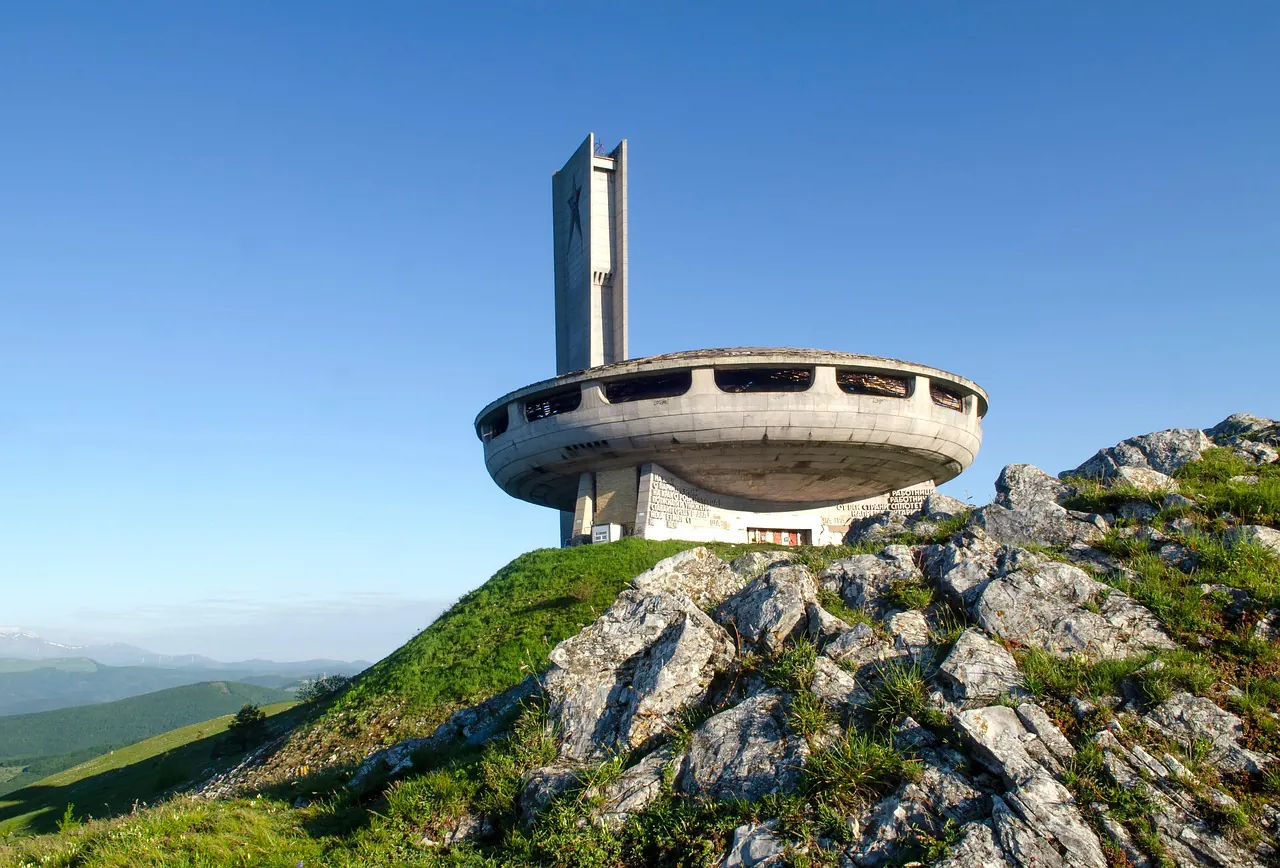
Reaching the summit requires an understanding of the regional infrastructure. The roads twisting up the Shipka Pass feature aggressive hairpin turns and steep inclines. Heavy commercial trucks utilise this route to cross between northern and southern Bulgaria. Patience secures your safe arrival. Rushing the ascent usually results in dangerous overtaking maneuvers on blind corners.
Seasonal Logistics at the Peak
The time of year you choose to visit drastically alters the experience. Summer brings accessibility, while winter transforms the peak into a hostile, ice-locked fortress.
| Season | Accessibility | Weather Conditions | Best For |
|---|---|---|---|
| Summer (Jun–Aug) | High | Mild / Extreme Winds | Photography & Extended Hiking |
| Shoulder (May & Sep) | Moderate | Cool / Highly Unpredictable | Evading Crowds |
| Winter (Oct–Apr) | Low / High Risk | Severe / Snowbound | Advanced Explorers Only |
Winter access demands 4×4 capability and alpine driving experience. The Shipka Pass regularly freezes over, and local authorities frequently close the final access road to the monument under heavy snowfall. If you travel between November and March, expect to hike the final kilometres through deep, uncleared snow.
The Mountain Microclimate & Packing
The Microclimate
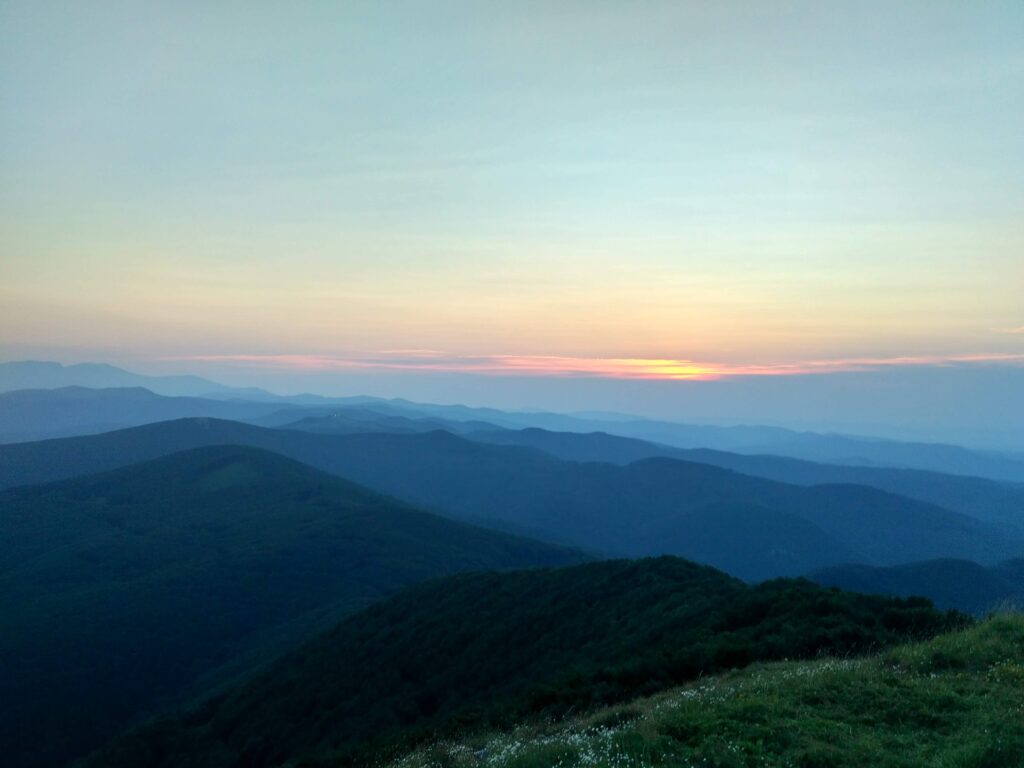
The peak is routinely 5–8°C cooler than the valley floor below. Fog rolls over the ridge in heavy, suffocating sheets, erasing visibility in seconds. Sunlight can vanish behind storm clouds faster than you can return to your vehicle. Always check the official bulletins from the Bulgarian National Institute of Meteorology and Hydrology before departing Kazanlak. Trusting a generic weather app often leads to profound discomfort.
Packing Essentials
A robust layering system saves you from the relentless crosswinds sweeping across the exposed ridge. A sudden drop in temperature is the main hazard you need to pack for. A moisture-wicking base layer paired with a windproof outer shell is mandatory, even in July. Footwear dictates your mobility. The surrounding terrain consists of jagged rocks, uneven concrete slabs, and slick mud. Stiff-soled hiking boots grant the necessary ankle support. Sub-zero winds strip lithium-ion batteries of their charge in minutes—carry a portable power bank.
If managing these logistics feels overwhelming, delegating the transportation is a highly effective strategy. Securing a spot on the Buzludzha Monument and The Rose Valley Day Tour From Sofia entirely eliminates the stress of driving rural mountain passes. You arrive focused on the architecture rather than exhausted by the drive.
Basecamp Kazanlak: The Final Outpost
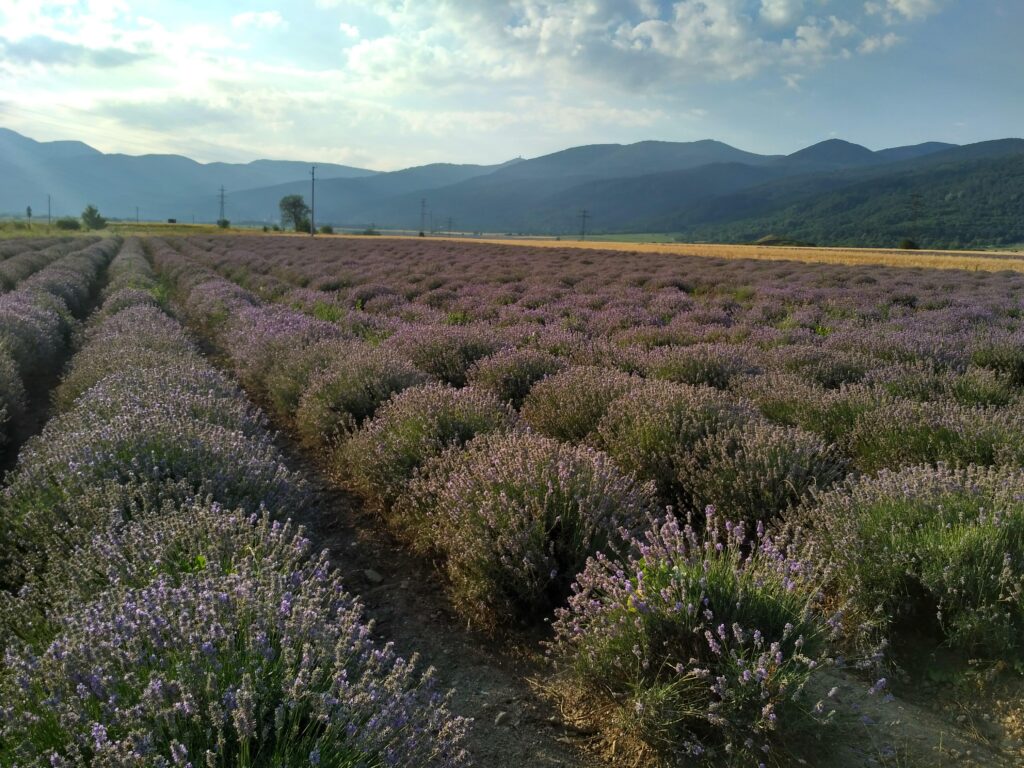
Kazanlak sits in a sweeping valley approximately 25 kilometres from the monument. The air smells heavily of rose oil during the early summer harvests. This city functions as your staging ground. The winding road up to the peak features zero service stations. Fill your fuel tank completely before leaving the city limits. Supermarkets on the outskirts—specifically Billa and Kaufland—stock the necessary provisions. It is crucial to stock up on water and high-energy rations before starting teh ascent.
Consult the Kazanlak Municipality official site for updated civic hours and museum access. Planning a full day in the city grounds your historical understanding before you confront the brutalist giant on the mountain.
Local Tip: Skip the modern cafes on the main square and track down a traditional Mehana in the side streets. The kitchens serve authentic dishes like Kavarma, and the owners frequently share real-time updates on the Shipka Pass road conditions.
Mastering Cultural Nuances & Language
The cultural landscape requires as much preparation as the physical climb. The national character often confuses arriving foreigners. A lack of performative smiling is a cultural baseline, not a sign of hostility. Bulgarians project a stoic exterior. Once you breach this initial barrier, the hospitality is overwhelming. Ask for directions in a rural village, and a resident will likely walk you directly to your destination.
The infamous “Bulgarian Nod” demands your attention. A side-to-side head shake often indicates “Yes,” while an up-and-down nod means “No.” This paradox derails countless interactions. Always clarify with a verbal “Da” (Yes) or “Ne” (No). Greet locals with “Zdravei” (informal) or “Dobar den” (formal “Good day”). Attempting to speak the language drastically improves your interactions in remote mountain communities.
Safety, Hospitality, and the Stoic Welcome
Bulgaria ranks as a statistically safe destination. Violent crime against tourists is virtually non-existent. The primary threats you face are purely environmental. Unpredictable weather and degraded infrastructure around historical sites require absolute vigilance. The concrete perimeter of the monument is scattered with debris. Watch your footing. We explore these social dynamics and practical precautions deeply in our dedicated guide, Friendly Bulgaria: A Guide for Foreigners.
Itinerary Planning: Beyond the Concrete Saucer
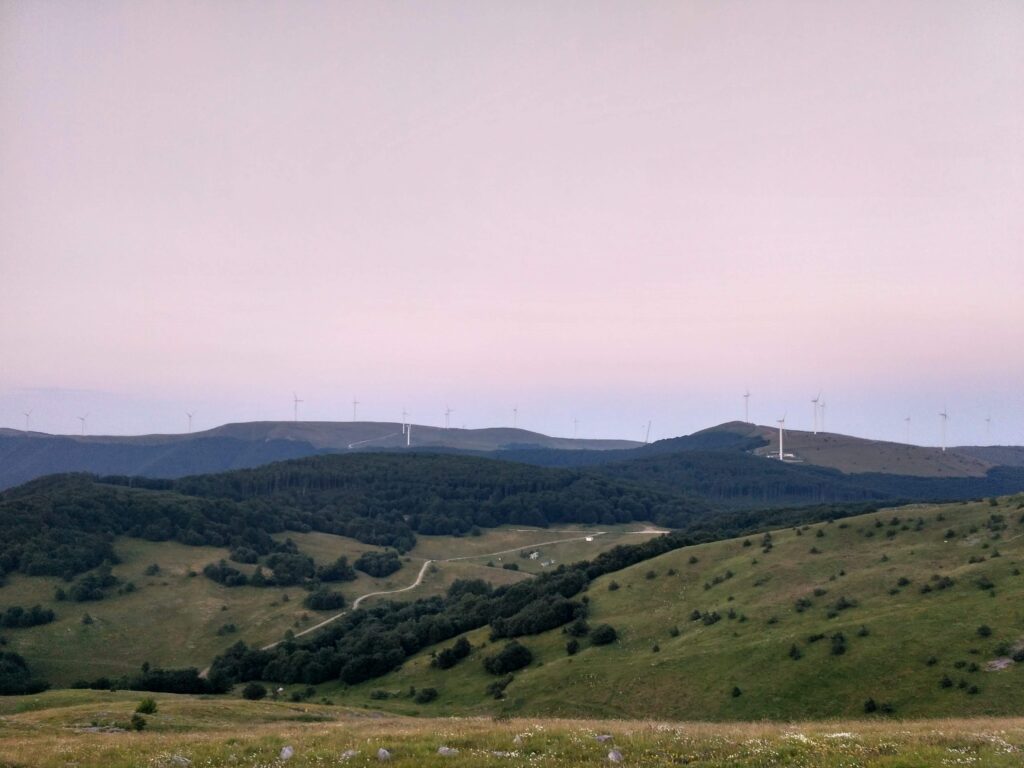
The monument does not exist in a vacuum. The surrounding region holds layers of ancient history that rival the communist-era relics. Combining your ascent with a descent into the valley maximizes your travel efficiency.
The Valley of the Roses is not just a geographical marker; it stands as the cultural engine of the region.
Just outside your basecamp lies the Thracian Tomb of Kazanlak, a recognized UNESCO World Heritage Site. The intricate frescoes inside date back to the 4th century BC. Pairing the ancient Thracian kings with the 20th-century brutalism of Buzludzha creates a jarring, brilliant historical contrast. Travellers seeking a highly structured, multi-era experience regularly book the Full Day Trip to Buzludzha Monument to seamlessly connect these disparate sites without wrestling with local bus schedules.
For independent explorers wanting audio context while standing in the freezing wind, the Buzludzha Monument Spaceship Self-Guided Experience delivers exact waypoints directly to your device.
The Traveler’s Quick-Reference (FAQ)
Logistical clarity prevents critical errors on the mountain. Review these frequent queries to refine your final itinerary.
What was the Buzludzha Monument used for?
The Bulgarian Communist Party constructed the massive structure in 1981 to host official state gatherings and commemorate socialist achievements. It operated as a heavily guarded ideological headquarters, featuring vast interior mosaics, before falling into rapid decay after the political collapse of 1989.
Can you visit the Buzludzha Monument?
You can drive or hike to the peak to examine the imposing concrete exterior at any time of year. Internal access remains strictly prohibited by local authorities due to structural degradation. International preservation teams are actively working to stabilize the deteriorating roof.
Is the Buzludzha Monument abandoned?
The structure sat entirely abandoned for nearly three decades, suffering catastrophic weather damage and extensive vandalism. The Buzludzha Project currently manages the site, shifting its status from a forgotten ruin to a heavily monitored conservation zone.
Is Bulgaria friendly to Muslims?
Bulgaria sustains a substantial indigenous Muslim population, concentrated heavily in the Rhodope Mountains and northeastern provinces. Travellers find the country highly accommodating, with historic mosques seamlessly integrated into major cities like Sofia and Plovdiv, alongside accessible halal dining establishments.
What to be careful of in Bulgaria?
Potholed secondary roads and sudden mountain weather changes demand your immediate attention when driving outside major municipalities. Urban centres rank among the safest in Europe, meaning petty theft poses a far lower risk than an underprepared hike. Read our Safety Guide for Travelers in Bulgaria for extensive logistical details.
Are Bulgarians friendly to foreigners?
Bulgarians project a stoic exterior and rarely smile at strangers on the street. Once you breach this initial cultural barrier, the hospitality becomes incredibly generous, with locals frequently going out of their way to assist lost travellers. Discover more about local interactions in our Friendly Bulgaria guide.
Why do Brits move to Bulgaria?
Thousands of British expatriates relocate to Bulgaria annually, drawn by the exceptionally low cost of living and affordable property markets in rural villages. The climate delivers long, hot summers and defined winters, presenting a stark contrast to the UK weather. Favourable tax rates continue to drive this ongoing demographic shift.