
Tour From Sofia
Tour From Plovdiv
From Ruin to Landmark: A Paradigm Shift
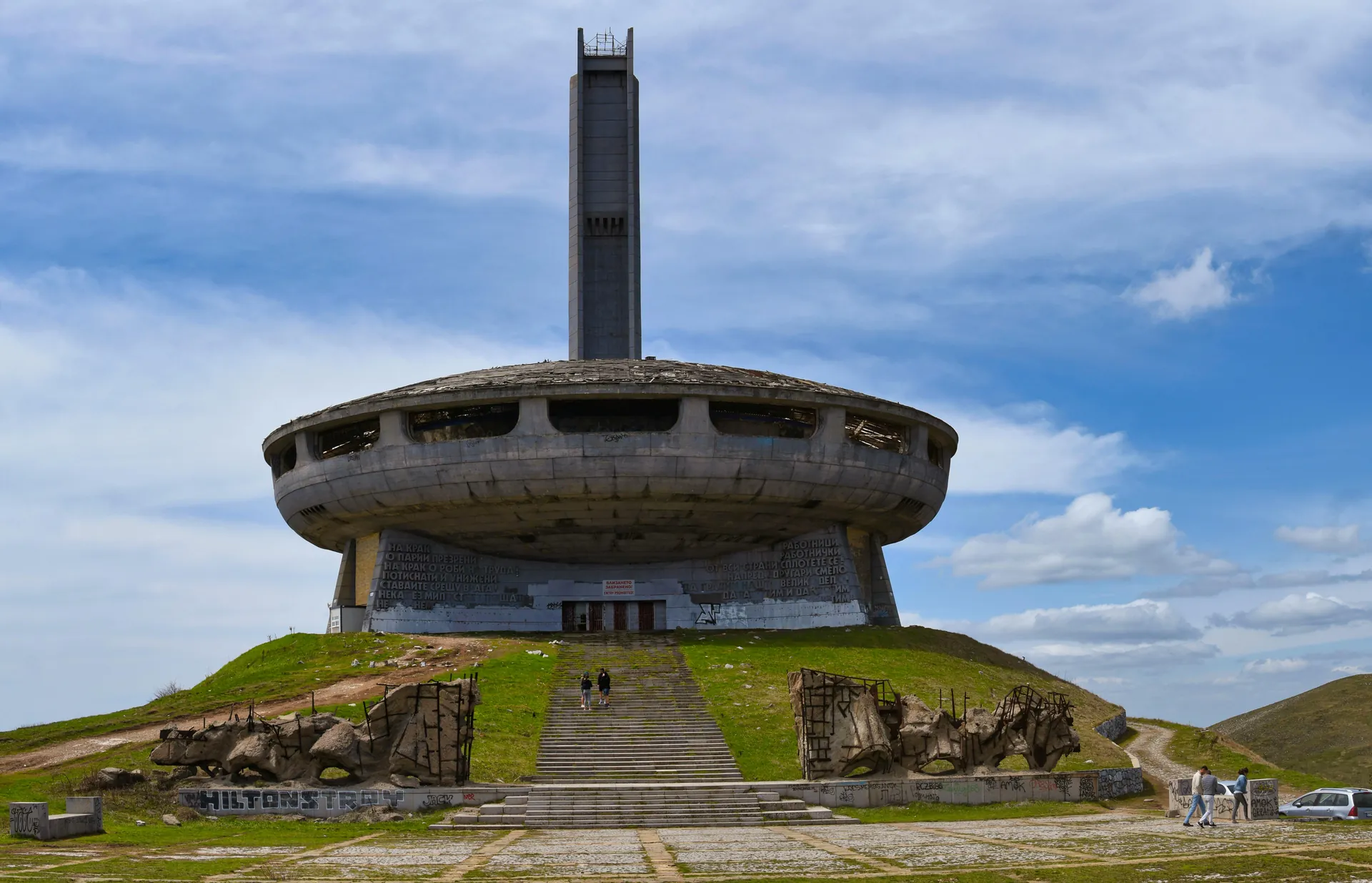
For nearly three decades, the massive concrete saucer atop the Central Balkan Mountains served as a haunting emblem of systemic collapse. People frequently ask if the Buzludzha Monument is abandoned. A decade ago, the answer was an unequivocal yes. The structure endured severe neglect, heavily looted and left exposed to the brutal mountain enviroment. Today, the narrative has fundamentally changed. It is no longer a forgotten relic left to the elements; it is an active conservation site supported by international heritage organisations.
To understand this shift, one must know what the Buzludzha Monument was used for originally. Inaugurated in 1981, it operated as the ceremonial headquarters of the Bulgarian Communist Party. It was a space designed to impress and intimidate, filled with intricate socialist-realist art. Following the political shifts of 1989, the state locked the doors and walked away. The subsequent decay transformed the building into a dark tourism magnet. Now, a dedicated coalition of architects and historians has intervened, shifting the focus from ruin exploration to architectural preservation. Their philosophy is not to rebuild the monument to its former glory, but to arrest its decay—preserving the layers of history, ruin included.
Conservation is not about erasing the scars of abandonment. It is about stabilising the structure so future generations can confront the complex history it represents.
Key Pillars of the Conservation Strategy
The transformation of the peak relies on a multi-phased strategy spearheaded by non-governmental organisations and global heritage experts. The Buzludzha Project Foundation leads these efforts, coordinating funding, research, and physical labour on the ground. Their work is a delicate balancing act of engineering, art history, and political sensitivity.
Emergency Roof Stabilisation
The primary point of structural failure was the massive domed roof. By the late 1990s, the original copper cladding had been entirely stripped by scavengers, leaving the interior exposed to snow and rain. Between 2019 and 2022, an emergency intervention cleared dangerous roof debris and installed a temporary protective shelter over the dome mosaic. This critical action halted the immediate water ingress, preventing the total destruction of the central artwork.
International Collaboration
Securing the site required resources beyond local capacity. A pivotal moment occurred when the Getty Foundation awarded significant grants through its ‘Keeping It Modern’ initiative. This funding allowed for a comprehensive conservation management plan, bringing in structural engineers and heritage consultants from across Europe to assess the concrete degradation.
Preserving the Mosaics: A Race Against Time
The interior of the building features over 900 square metres of mosaics. These installations are considered some of the most significant late-20th-century examples of socialist-realist art in Eastern Europe. They depict a sweeping narrative of industrial workers, political leaders, and the cosmic ambitions of the era. However, the prolonged exposure to the elements caused severe degradation. Water seeped behind the tesserae, causing vast sections of the artwork to detach and crash to the floor.
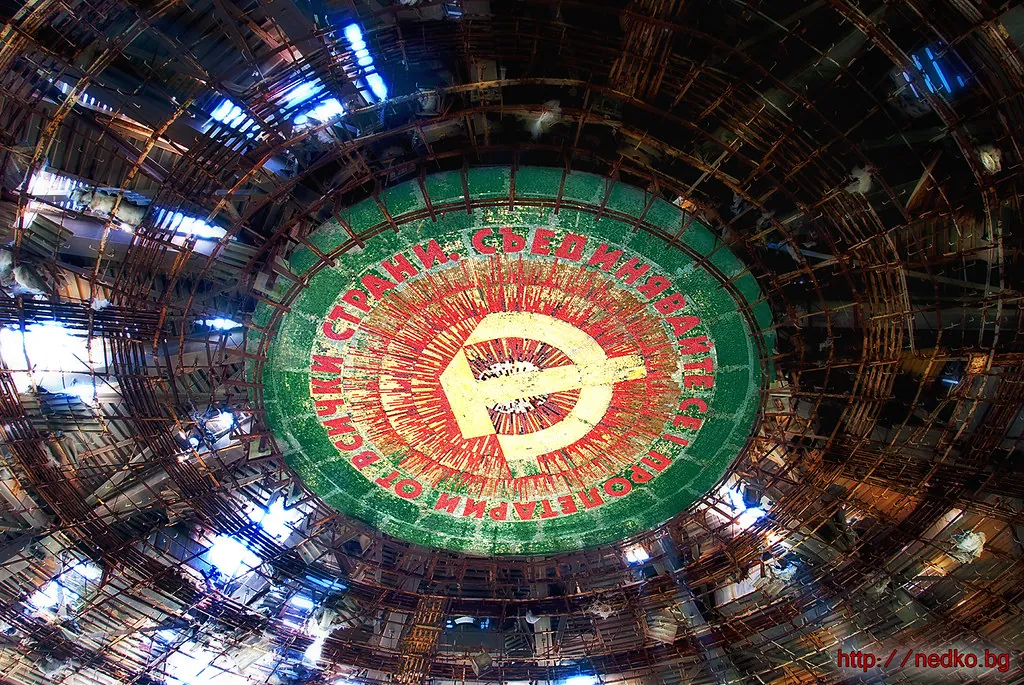
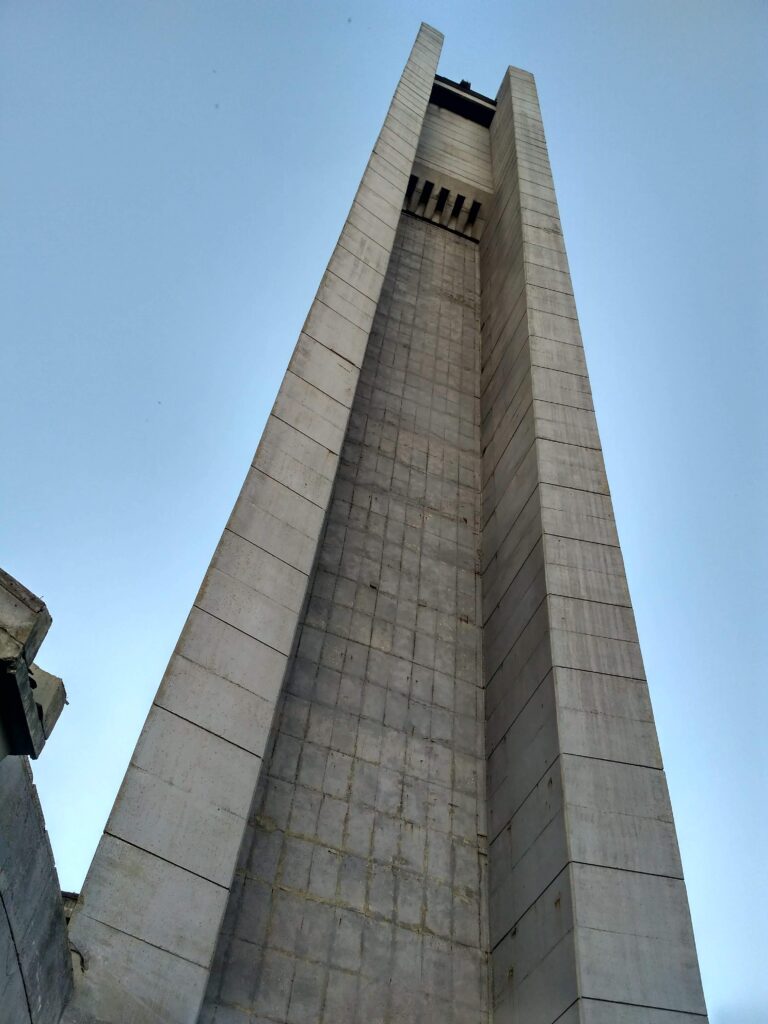
The primary objective of the mosaic initiative was stabilising teh mosaics before they were lost entirely. Conservation teams erected scaffolding and spent months carefully injecting specialised adhesive behind the surviving tiles. The climate at 1,432 metres above sea level is unforgiving. High altitudes present constant freeze-thaw cycles and brutal winter storms, which is exactly the kind of weather the conservation team has to deal with.
Restoration Milestones & Current Status
Progress on the mountain is slow but methodical. Securing the site and ensuring public safety remains the top priority. To provide a clear overview of the ongoing efforts, we have outlined the major phases of the project below.
| Project Phase | Current Status | Primary Impact |
|---|---|---|
| Dome Mosaic Shelter | Completed (2022) | Halted direct water ingress into the central artwork. |
| Mosaic Stabilisation | Ongoing | Preventing further loss of interior artwork. |
| Site Security & Safety | Active | Keeping unauthorised urban explorers out of dangerous zones. |
| Structural Concrete Assessment | Completed | Provided the data needed for long-term engineering solutions. |
| “Open Buzludzha” Development | Planning | Establishing controlled, safe visitor access routes. |
Legal Protection and the “Open Buzludzha” Vision
A major breakthrough for the site’s survival was its change in legal status. After years of existing in a bureaucratic grey area, the monument is now officially recognised as a “Cultural Value of National Importance” by the Bulgarian Ministry of Culture. This designation protects the architecture from demolition and provides a legal framework for state cooperation with private conservation funds.
The ultimate goal is the realisation of the “Open Buzludzha” concept. The foundation envisions transforming the space into a multi-purpose cultural centre. This would involve hosting educational seminars, historical exhibitions, and artistic performances, all while maintaining the raw, industrial atmosphere of the ruin. The International Council on Monuments and Sites (ICOMOS) has monitored these plans, ensuring the proposals align with global heritage standards. Coverage by publications like The Art Newspaper has further cemented the project’s legitimacy within the international art community.
How to Visit Responsibly During Restoration
If you are wondering whether you can visit the Buzludzha Monument today, you must understand the current restrictions. The exterior of the structure is accessible year-round, allowing photographers and history enthusiasts to appreciate the imposing brutalist architecture against the backdrop of the Balkan Mountains. However, internal access remains strictly prohibited due to falling debris and ongoing construction hazards.
Do not attempt to breach the perimeter fencing. Unauthorised entry jeopardises your personal safety and threatens the delicate conservation work underway.
For those looking to experience the site comprehensively, we strongly recommend booking a guided excursion. Knowledgeable guides provide the historical context necessary to appreciate the monument’s complex legacy. You can join the comprehensive Buzludzha Monument and The Rose Valley Day Tour from Sofia, which excellently pairs brutalist history with local cultural heritage. Alternatively, if you are driving yourself up the Shipka Pass, the Buzludzha Monument Spaceship Self-Guided Experience offers curated audio insights straight to your phone.
Before planning your journey, please review our comprehensive Visitor Rules & Guidelines to ensure you respect the boundaries of this active conservation zone. To explore more about the building’s controversial inception, read our deep dive into its History & Architecture. When you are ready to secure your trip, head over to our Tickets & Tours page to find the best logistical options for your itinerary.